

insulated window panels
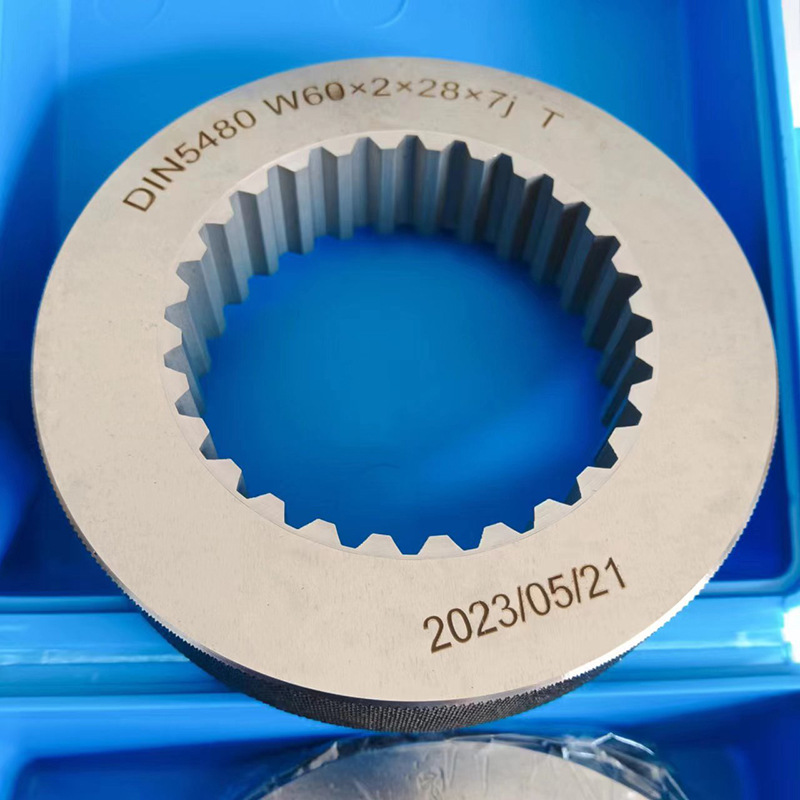
Understanding the Runout Tester A Key Tool in Precision Measurement In the world of manufacturing and machining, precision is paramount. Engineers and technicians constantly strive to ensure that every component meets strict tolerances and specifications. One of the critical factors in achieving this level of accuracy is the measurement of runout, a term that describes how much a rotating part deviates from its ideal path. To effectively measure runout, professionals rely on a specialized instrument known as a runout tester. A runout tester, also referred to as a dial indicator, is designed to measure the amount of deviation or “runout” of a rotating part, such as a shaft or a wheel . This tool is essential for ensuring that machine components function smoothly and efficiently. Runout can occur due to various reasons, including improper installation, wear and tear, or manufacturing defects. When a part has excessive runout, it can lead to vibration, increased wear, and ultimately, decreased performance or failure of the machinery. The operation of a runout tester is relatively straightforward. The device consists of a dial gauge mounted on a stand or fixture that holds the indicator's probe in contact with the part being tested. As the part rotates, the probe tracks the movement and displays the readings on the dial. The technician can observe the maximum deviation, or runout value, which is typically measured in thousandths of an inch or millimeters. Accurate readings allow for adjustments to be made to the component, ensuring that the assembly operates within acceptable limits. There are generally two types of runout total indicator reading (TIR) and axial runout. TIR measures the total variation in diameter as the part rotates, providing a comprehensive view of the runout condition. Axial runout, on the other hand, focuses on the movement along the rotational axis, which is critical for components that must align precisely with each other. Understanding both forms of runout helps manufacturers optimize their designs and assemblies. runout tester Runout testing is not just limited to rotating machinery; it plays a vital role in various industries, including automotive, aerospace, and manufacturing. In the automotive sector, for instance, runout testing is crucial for components like brake rotors and wheel hubs. Excessive runout in these parts can lead to uneven wear, decreased braking efficiency, and potentially dangerous driving conditions. Similarly, in the aerospace industry, ensuring precise runout in rotor systems and landing gear is critical for safety and performance. In recent years, advancements in technology have also paved the way for more sophisticated runout measurement devices. Digital indicators and laser measurement systems provide enhanced accuracy and ease of use. These innovations allow engineers to quickly assess runout levels without the need for extensive manual calculations, further streamlining the quality control process. Despite technological advancements, the fundamental principles of runout testing remain the same. Accurate measurement is essential for identifying defects early in the manufacturing process, preventing costly downtime, and improving overall product quality. As industries continue to advance towards greater automation and precision manufacturing, the role of the runout tester will remain increasingly important. In conclusion, the runout tester is an indispensable tool in the realm of precision measurement. By identifying and correcting runout, manufacturers can enhance the reliability and performance of machinery and components. As technology evolves, the methods of testing runout will become even more advanced, but the core objective will remain unchanged to achieve the highest level of precision in manufacturing processes. With a continued focus on quality, the runout tester will play a crucial role in driving innovation and excellence in industries worldwide.
about
insulated window panels
Kontrola Spawów z użyciem Wskaźnika do Spawania W dzisiejszych czasach branża przemysłowa stawia duży nacisk na jakość procesów produkcyjnych, a w szczególności na trwałość i niezawodność połączeń spawanych. W tej dziedzinie niezwykle istotna jest kontrola spoin, której dokonuje się przy użyciu różnorodnych narzędzi i metod. Jednym z najważniejszych instrumentów w ocenie jakości spawów jest wskaźnik do spawania, znany również jako gwintownik spawalniczy lub suwmiarka do spawów. Czym jest wskaźnik do spawania? Wskaźnik do spawania to narzędzie pomiarowe, które służy do oceny wymiarów i jakości spoin. Zazwyczaj wykonany jest z metalu, a jego konstrukcja zapewnia łatwość w użyciu oraz precyzję pomiarów. Umożliwia on kontrolę głębokości, szerokości i kształtu spoin, co jest kluczowe dla zapewnienia, że połączenia są wykonane zgodnie z normami i specyfikacjami technicznymi. Dlaczego kontrola spawów jest ważna? Nieprzestrzeganie standardów i nieprawidłowe wykonanie spoin może prowadzić do poważnych problemów. W przemyśle budowlanym, motoryzacyjnym czy lotniczym, nienależycie wykonane spawy mogą pociągać za sobą katastrofalne konsekwencje. Kontrola spawów pozwala na wczesne wykrycie wad, co z kolei może znacznie ograniczyć ryzyko awarii, zwiększając tym samym bezpieczeństwo użytkowników końcowych. Przykłady zastosowania Wskaźniki do spawania są szeroko stosowane w różnych dziedzinach przemysłu. Na przykład w budownictwie, gdzie atestacja spoin jest kluczowa dla zachowania stabilności konstrukcji. W branży motoryzacyjnej, gdzie każdy element musi spełniać wysokie standardy bezpieczeństwa, kontrola spawów jest niezbędna. Również w przemyśle lotniczym, gdzie niezawodność i jakość materiałów są na wagę złota, wskaźniki do spawania odgrywają kluczową rolę. Jak korzystać ze wskaźnika do spawania? welding inspection ruler Użycie wskaźnika do spawania jest dość proste, jednak wymaga pewnej wprawy. Proces ten zazwyczaj obejmuje następujące kroki 1. Przygotowanie powierzchni - przed wykonaniem pomiaru, upewnij się, że powierzchnia spoiny jest czysta i wolna od zanieczyszczeń. 2. Pomiar głębokości spoiny - użyj końcówki wskaźnika do pomiaru głębokości spoiny. Upewnij się, że narzędzie jest dobrze osadzone, aby uzyskać dokładny wynik. 3. Pomiar szerokości spoiny - zwróć uwagę na szerokość spoiny, gdyż jest to kluczowy czynnik określający jej jakość. 4. Analiza wyników - po wykonaniu pomiarów, porównaj wyniki z wymaganiami zawartymi w specyfikacji technicznej. 5. Dokumentacja - sporządź odpowiednią dokumentację, która potwierdzi przeprowadzone kontrole i wyniki. Podsumowanie Wskaźnik do spawania jest niezastąpionym narzędziem w kontroli jakości spoin. Jego właściwe użycie pozwala na identyfikację potencjalnych wad oraz zapewnienie, że wszystkie połączenia spawane spełniają najwyższe standardy jakości. W obliczu rosnących wymagań jakościowych w przemysłach takich jak budownictwo, motoryzacja czy lotnictwo, wskaźnik ten zyskuje na znaczeniu i staje się kluczowym elementem zapewniającym bezpieczeństwo i niezawodność konstrukcji. Niezależnie od branży, dbałość o szczegóły i jakość realizowanych spoin to krok w kierunku bardziej efektywnych i bezpiecznych procesów produkcyjnych.
-

High quality industrial productsagement

High quality industrial products
View Details -

Meet the diverse needs of customers

Meet the diverse needs of customers
View Details -

Strict quality control

Strict quality control
View Details -

Top raw materials

Top raw materials
View Details -

Trusted supplier

Trusted supplier
View Details
Our application

news and information

Versatile 3x6 Feet Welding Table for Efficient Metalworking and Fabrication Projects
The Versatility and Advantages of a 3x6 Welding Table Welding is a crucial process in various indust
Van cầu 2 inch chất lượng cao cho hệ thống ống nước hiệu quả
2 inch globe valve .
Valvola a farfalla da 1,5 pollici per applicazioni industriali e domestiche
Valvola a Farfalla da 1.5 Pollici Un Elemento Chiave nel Settore Industriale Le valvole a farfalla s
 English